
Understanding AI: Its Importance and Implications in 2026
4/10/20267 min read

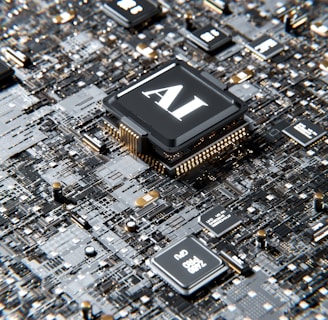
What Is Artificial Intelligence (AI)?
Artificial Intelligence (AI) represents a broad field of technology that aims to emulate human intelligence through machines. At its core, artificial intelligence encompasses a variety of approaches and techniques aimed at enabling computers and systems to perform tasks that typically require human cognitive functions. This encompasses a range of functionalities such as learning, reasoning, problem-solving, perception, language understanding, and interaction.
One fundamental aspect of AI is machine learning, which refers to an efficient method of data analysis and usage that allows systems to gain insights and progressively refine their capabilities without explicit programming for each task. Machine learning algorithms analyze vast datasets to detect patterns and make informed decisions based on acquired knowledge. These models can be categorized into supervised, unsupervised, and reinforcement learning, each with distinct applications and methodologies.
Another significant domain within AI is natural language processing (NLP). This subfield focuses on the interaction between computers and humans through natural language. NLP enables machines to understand, interpret, and generate human language in a manner that is both meaningful and contextually appropriate. Applications of NLP can be found in chatbots, language translation services, and sentiment analysis tools, demonstrating its invaluable role in facilitating communication in today's digital landscape.
Furthermore, robotics represents a tangible manifestation of AI technology, featuring machines that can perform physical tasks autonomously or with minimal human intervention. From industrial robots performing repetitive tasks in manufacturing to advanced autonomous vehicles, robotics stands at the intersection of AI, providing innovative solutions across various industries.
Overall, artificial intelligence, in all its forms—be it narrow AI, which specializes in specific tasks, or general AI, with human-like cognitive abilities—plays a crucial role in the evolution of technology and industry in 2026 and beyond.
The Evolution of AI Leading to 2026
Over the past few decades, artificial intelligence (AI) has undergone a remarkable transformation, evolving from simple rule-based systems to sophisticated algorithms capable of learning and adapting to complex tasks. The journey of AI innovation can be traced back to the mid-20th century when pioneers such as Alan Turing laid the groundwork for the field. Turing's development of the Turing Test sought to measure a machine’s ability to exhibit intelligent behavior, marking a significant milestone in AI history.
In the 1970s and 1980s, AI research experienced a surge with the introduction of expert systems, which utilized knowledge-based techniques to perform specific tasks within limited domains. However, the field faced challenges, leading to periods known as "AI winters" characterized by diminished funding and enthusiasm. It was not until the advent of more powerful computing resources and the development of machine learning algorithms in the 2010s that AI began to flourish robustly.
Today, AI is deeply integrated into various sectors, significantly enhancing productivity, decision-making, and automation. Industries such as healthcare, finance, and manufacturing have benefited from AI innovations, leveraging technologies such as natural language processing, computer vision, and robotics. For instance, in healthcare, AI algorithms assist in diagnostics and personalized medicine, potentially leading to improved patient outcomes.
As we approach 2026, the current state of AI is characterized by the rise of models like deep learning and reinforcement learning, further pushing the boundaries of what machines can achieve. The exponential growth of data and advanced data analytics techniques have solidified AI's role in addressing complex societal challenges. Consequently, the advancements leading to 2026 not only build upon previous milestones but also set the stage for transformative changes in numerous fields, shaping a future where AI could play an even more pivotal role.
The Importance of AI in 2026
As we advance toward 2026, the significance of artificial intelligence (AI) is anticipated to grow exponentially across a multitude of sectors, notably healthcare, finance, education, and transportation. The implementation of AI technologies is expected to revolutionize these domains, enhancing operational efficiency and fostering innovation. For instance, in healthcare, AI-driven tools are predicted to facilitate earlier diagnoses, streamline patient care, and personalize treatment plans, ultimately improving patient outcomes and operational workflows in clinics and hospitals.
In the finance sector, AI systems are anticipated to transform risk assessment and fraud detection processes, enabling quicker responses to potential threats and offering more personalized financial services. The integration of AI in financial institutions is likely to enhance decision-making processes, from credit approvals to investment strategies, thereby optimizing resources and reducing losses.
Education is another sector poised for significant transformation through AI in 2026. Adaptive learning platforms powered by AI will allow for personalized curriculums tailored to individual student needs, thereby promoting effective learning outcomes. Furthermore, AI tools can assist educators in tracking progress and identifying areas where learners require additional support, ultimately contributing to a more tailored educational experience.
Lastly, the transportation industry is expected to benefit substantially from AI advancements, particularly through autonomous vehicles and smart traffic management systems. AI algorithms can improve traffic flow, reduce accidents, and enhance overall safety. This transformation may lead to a connected transport network that optimizes routes and reduces emissions, aligning with modern sustainability goals.
Overall, the significance of AI in 2026 is poised to propel various industries toward enhanced efficiency, reduced costs, and innovative solutions to complex challenges, thus paving the way for an intelligent future.
Key Advantages of AI
Artificial Intelligence (AI) has gained significant traction over recent years, serving as a transformative force across various sectors. One of the primary advantages of AI is its ability to enhance efficiency in processes and operations. By automating repetitive tasks, organizations can redirect human resources to more strategic areas that require critical thinking and creativity. For instance, in manufacturing, AI-driven robotics streamline assembly lines, reducing production time while maintaining high-quality standards.
Another critical benefit of AI lies in its data analysis capabilities. With the exponential increase in data generation, traditional data processing methods often fall short. AI algorithms can analyze vast datasets swiftly, identifying patterns and insights that might go unnoticed by human analysts. This enables businesses to make informed decisions, ranging from targeted marketing strategies to predictive maintenance schedules. A notable example can be seen in the healthcare sector, where AI systems analyze patient data to assist in diagnosing diseases earlier and more accurately.
Furthermore, AI significantly enhances customer experiences through personalization. Algorithms can learn customer preferences based on past interactions, allowing businesses to tailor services and recommendations effectively. Companies such as Amazon and Netflix utilize AI to suggest products and content based on individual user behavior, thereby increasing engagement and satisfaction levels.
Finally, AI is paving the way for breakthroughs in various research domains, including drug discovery and climate modeling. Machine learning techniques are enabling scientists to simulate complex interactions, leading to more rapid advancements in medicine and environmental science. For example, AI systems have been employed in pharmaceutical research to identify potential therapeutic compounds, accelerating the development of life-saving drugs.
Challenges and Disadvantages of AI
The advancement of artificial intelligence (AI) poses significant challenges and disadvantages that warrant careful consideration. Firstly, ethical concerns surrounding AI are paramount. The deployment of machine learning algorithms raises questions about accountability, particularly when decisions made by AI lead to unfavorable outcomes. For instance, instances of autonomous systems making decisions without clear human oversight can create dilemmas, especially in sectors like healthcare or law enforcement.
Another pressing issue is job displacement. As AI systems become more proficient at performing tasks traditionally carried out by humans, there is potential for widespread unemployment. This displacement may not only affect low-skilled jobs but could also extend to roles requiring critical thinking and creativity. To mitigate this challenge, it is essential to focus on re-skilling and up-skilling the workforce, ensuring that employees can transition into new roles that complement AI technologies.
Furthermore, biases inherent in AI algorithms pose a significant risk. These biases can stem from the data used to train the algorithms, often reflecting societal prejudices. This can lead to unfair outcomes in decision-making processes, particularly for marginalized groups. Addressing this issue requires ongoing assessments of AI systems and comprehensive datasets that promote fairness and inclusivity.
Security vulnerabilities represent another concern when integrating AI into crucial sectors. The reliance on automated systems can create new attack vectors for cybercriminals, leading to data breaches and manipulations. To counteract these vulnerabilities, organizations must implement stringent security measures and conduct regular audits of AI systems.
Ultimately, the implications of relying heavily on automated systems can create societal challenges that necessitate careful reflection. While AI holds great promise, understanding its drawbacks is essential for developing a balanced approach that maximizes benefits while minimizing risks.
The Future of AI: Trends and Predictions Post-2026
As we look towards the future of artificial intelligence (AI) beyond 2026, numerous trends and predictions emerge, reflecting the rapid evolution of this transformative technology. One of the most significant advancements anticipated is the increased integration of AI into everyday life, enhancing various sectors such as healthcare, education, and transportation. In healthcare, for example, AI-powered diagnostic tools are expected to become more prevalent, offering faster and more accurate evaluation of patient conditions. This transition will likely lead to a substantial reduction in diagnostic errors and improved patient outcomes.
Moreover, the growth of AI will also prompt a shift in regulatory frameworks as governments worldwide begin to establish guidelines for the ethical use of AI. This is essential to address concerns related to data privacy and bias in AI algorithms. As AI technology continues to mature, we can expect more robust policies aimed at ensuring transparency in AI applications. Such regulations will likely foster public trust and encourage widespread adoption of AI technologies across various sectors.
Additionally, societal attitudes towards AI are expected to evolve. As AI becomes more integrated into daily life, general perception will likely shift from skepticism to acceptance, especially if individuals directly experience the beneficial impacts of AI. In tandem with this acceptance, educational initiatives focusing on AI literacy will be crucial. By enhancing understanding of AI capabilities and limitations, society can better navigate the ethical dilemmas posed by this technology.
Ultimately, the future of AI is poised to be defined by technological advancements, thoughtful regulatory measures, and evolving public perceptions. This holistic approach will not only drive the technological aspects of AI development but also ensure that its benefits are realized in a manner that prioritizes ethical considerations and societal well-being.
Conclusion: Embracing AI Responsibly
As we reflect on the discussions surrounding artificial intelligence (AI) and its transformative potential, it is essential to recognize the dual nature of this technology. AI offers remarkable opportunities for improvement across various realms, including healthcare, education, and industry. However, with such advancements come significant ethical and societal challenges that must be addressed proactively. The safe and responsible adoption of AI is crucial for maximizing its benefits while mitigating risks.
To navigate the evolving AI landscape effectively, a multi-faceted approach is necessary. Individuals should strive to educate themselves about AI's capabilities and limitations, fostering a culture of awareness and critical thinking. Organizations can lead by implementing ethical AI practices, ensuring that their deployment of intelligent systems prioritizes fairness, accountability, and transparency. Moreover, to gain public trust, collaboration between tech companies, regulators, and civil society is vital in establishing standards that safeguard against misuse.
Governments also have a critical role to play in this evolution. They should develop comprehensive policies that encourage innovation while also addressing ethical concerns associated with algorithmic decision-making and data privacy. Investing in research and endorsements for responsible AI practices can set the stage for a framework that balances technological progress with social responsibility.
In conclusion, responsibly embracing AI involves a collective effort from individuals, organizations, and governments to ensure that this powerful technology serves the greater good. By taking proactive steps, we can unlock the vast potential of AI while creating frameworks that protect societal values and foster an inclusive environment for all stakeholders. Thus, the journey toward a future enhanced by AI must be guided by responsibility and a commitment to ethical practices.