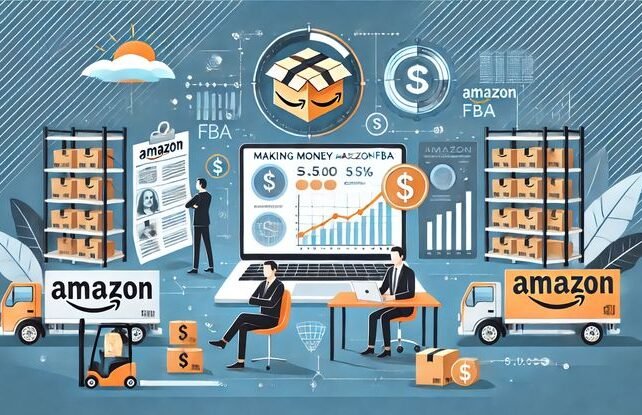
Starting an Amazon FBA business looks exciting from the outside.
You see success stories everywhere:
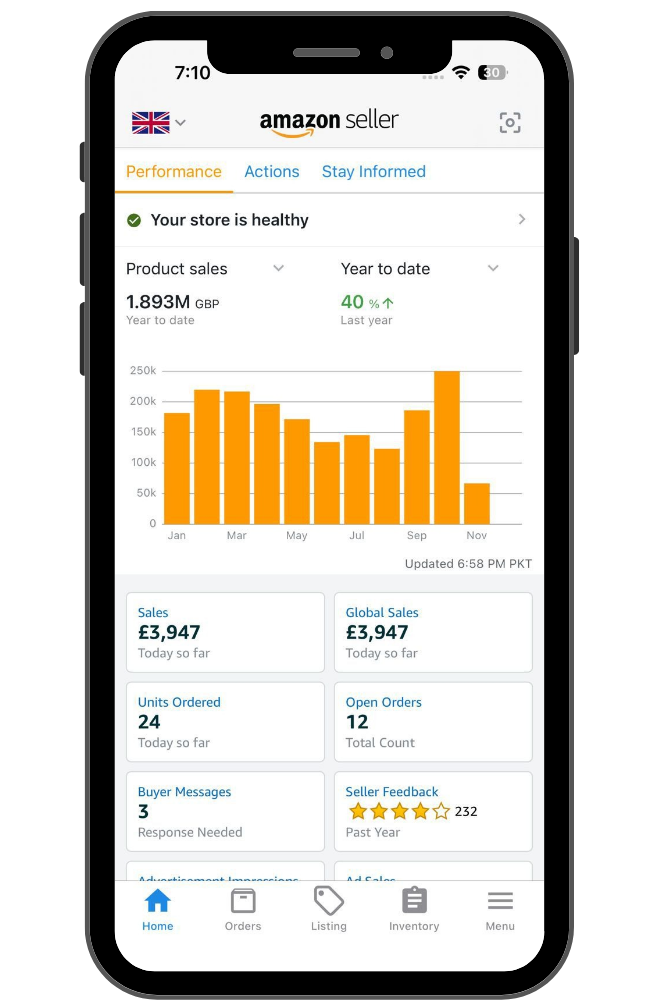
- screenshots of huge sales
- viral TikTok videos
- “easy passive income” claims
- people talking about financial freedom
And honestly, that creates unrealistic expectations for a lot of beginners.
What most people don’t see are:
- failed product launches
- inventory disasters
- wasted PPC budgets
- sourcing mistakes
- months of poor decisions
Amazon FBA can absolutely become a profitable business.
But it’s not as easy as many influencers make it look.
Over the years, I’ve seen new sellers repeat the same mistakes again and again — and most of them are avoidable.
In this article, I’ll break down the biggest Amazon FBA mistakes beginners make in 2026 and how to avoid them before they cost you serious money.
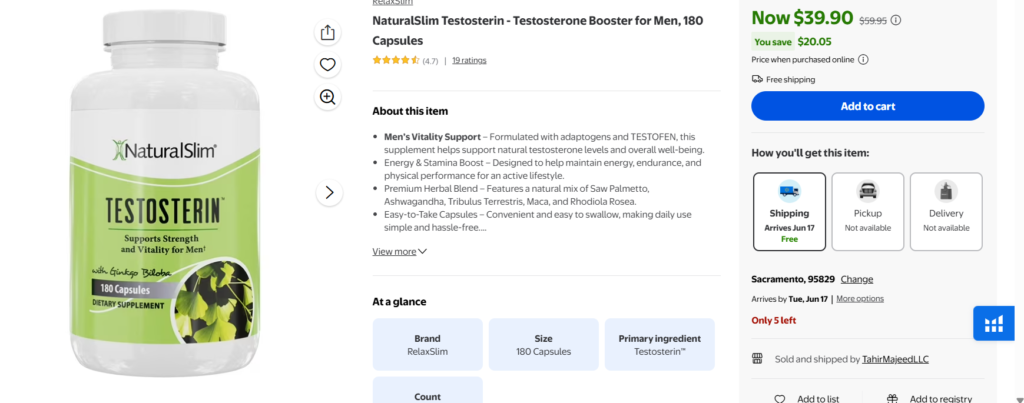
Mistake #1 — Choosing Products Emotionally Instead of Strategically
This is probably the most common mistake.
Many beginners pick products because:
- they personally like them
- they saw someone else selling them
- a YouTuber called them “winning products”
- the product looks trendy
That’s not real product research.
Successful product selection is based on:
- demand
- competition
- margins
- customer problems
- branding opportunities
- market positioning
A product can look exciting and still fail badly.
What New Sellers Should Focus On Instead
Before launching any product, ask:
- Is demand stable?
- Is competition beatable?
- Are margins healthy?
- Can the product be improved?
- Is branding possible?
- Are reviews exposing weaknesses?
Data matters more than hype.
Mistake #2 — Ordering Too Much Inventory Too Early
This mistake destroys cash flow fast.
Many beginners get overly confident after finding a product and immediately place huge inventory orders.
That’s risky.
In 2026, market conditions change quickly.
A product that looks profitable today may slow down within weeks because of:
- rising competition
- PPC inflation
- seasonal changes
- trend saturation
The Smarter Approach
I always recommend starting carefully.
Your first inventory order should validate:
- demand
- conversion rates
- PPC performance
- customer feedback
The goal of your first launch is not maximizing profit.
It’s gathering real-world data.
Smart inventory management protects your cash flow.
Mistake #3 — Bad Supplier Selection
A lot of beginners rush sourcing.
They choose the cheapest supplier they can find and assume everything will work out.
That usually creates problems later:
- poor product quality
- damaged inventory
- delayed shipping
- inconsistent manufacturing
- negative reviews
Cheap sourcing often becomes expensive later.
What I Look for in Suppliers
Good sourcing is not only about low prices.
I pay attention to:
- communication quality
- consistency
- production reliability
- responsiveness
- packaging quality
- customization ability
A strong supplier relationship can make scaling much easier.
Mistake #4 — Ignoring Amazon PPC Reality
This is where many new sellers lose money quickly.
Some people think:
“If I launch the product, Amazon will automatically bring sales.”
That’s no longer realistic.
In 2026, Amazon PPC is essential for most launches.
And advertising costs are much higher than beginners expect.
Common PPC Problems Beginners Make
New sellers often:
- target broad keywords blindly
- overspend on low-converting terms
- ignore negative keywords
- panic when ACOS rises
- run messy campaign structures
That burns through budgets fast.
PPC Is a Skill, Not a Shortcut
Good PPC requires:
- testing
- optimization
- keyword analysis
- conversion improvements
- patience
The sellers winning today treat PPC like a real marketing system.
Not a gamble.

Mistake #5 — Entering Extremely Competitive Niches
Many beginners accidentally compete against:
- giant established brands
- sellers with huge budgets
- mature listings with thousands of reviews
That makes growth extremely difficult.
Especially for first-time sellers.
The Better Strategy
Instead of chasing massive categories, look for:
- underserved niches
- weak branding
- poor listings
- customer frustration
- product improvement opportunities
Smaller strategic markets are often more profitable than overcrowded ones.
Mistake #6 — Poor Listing Quality
Even good products fail with weak listings.
Many beginners underestimate how important:
- images
- titles
- copywriting
- branding
- product positioning
really are.
Your listing directly affects:
- conversion rate
- PPC performance
- rankings
- profitability
What Customers Actually Notice
Customers care about:
- trust
- professionalism
- perceived quality
- emotional connection
- clear benefits
If your listing looks cheap, conversions suffer immediately.
Mistake #7 — Unrealistic Expectations
This is probably the most dangerous mistake emotionally.
A lot of beginners expect:
- instant profits
- fast success
- easy passive income
Then they quit too early when reality becomes difficult.
Amazon FBA is still a real opportunity.
But it’s also a real business.
That means:
- testing
- learning
- mistakes
- optimization
- patience
Most successful sellers failed multiple times before finding momentum.
Social Media Creates False Expectations
Online content often hides:
- losses
- failed launches
- inventory problems
- refund issues
- PPC struggles
People usually only post the highlights.
That creates unrealistic pressure for beginners.
Mistake #8 — Not Understanding Profit Margins Properly
Many new sellers calculate profits incorrectly.
They forget to include:
- Amazon fees
- PPC spend
- shipping costs
- storage fees
- returns
- discounts
- influencer costs
A product may look profitable on paper but become weak after real expenses.
What I Always Calculate
Before launching, I estimate:
- realistic PPC costs
- profit after advertising
- worst-case margins
- inventory risks
- long-term scalability
The numbers must make sense beyond just revenue screenshots.
Mistake #9 — Trying to Copy Other Sellers Blindly
Copying competitors exactly rarely works long term.
Why?
Because customers usually buy from:
- stronger branding
- better positioning
- higher trust
- improved offers
The goal is not cloning another seller.
The goal is building something better.
Differentiation Matters More Than Ever
In 2026, successful sellers focus heavily on:
- branding
- customer experience
- product improvements
- packaging
- visual identity
- positioning
Generic products struggle much harder now.
What Actually Works in 2026
The sellers growing successfully today usually:
- research carefully
- validate products properly
- optimize PPC consistently
- manage inventory smartly
- build strong branding
- focus on customer experience
Amazon rewards serious operators.
Not shortcut chasers.
My Advice to New Sellers
If you’re starting Amazon FBA, focus less on:
- hype
- shortcuts
- viral trends
And focus more on:
- learning the system
- understanding customers
- improving products
- building a real brand
That mindset changes everything.
Final Thoughts
Most Amazon FBA failures don’t happen because the opportunity is dead.
They happen because beginners enter the business with:
- poor research
- unrealistic expectations
- weak systems
- emotional decisions
The good news is that these mistakes are avoidable.
Take your time.
Learn properly.
Treat Amazon like a real business from day one.
Because in 2026, the sellers who survive are usually the ones who build patiently instead of chasing fast money.